Spring Foraging Course - East Lothian
The Woodland Ways Spring Foraging Course is an immersive exploration of the edible, medicinal, and practical plants that flourish across the British landscape during the most abundant season of the year. Delivered by highly qualified instructors with deep and varied knowledge, this course offers far more than plant identification—it provides a cultivated understanding of how humans have interacted with the land for generations.
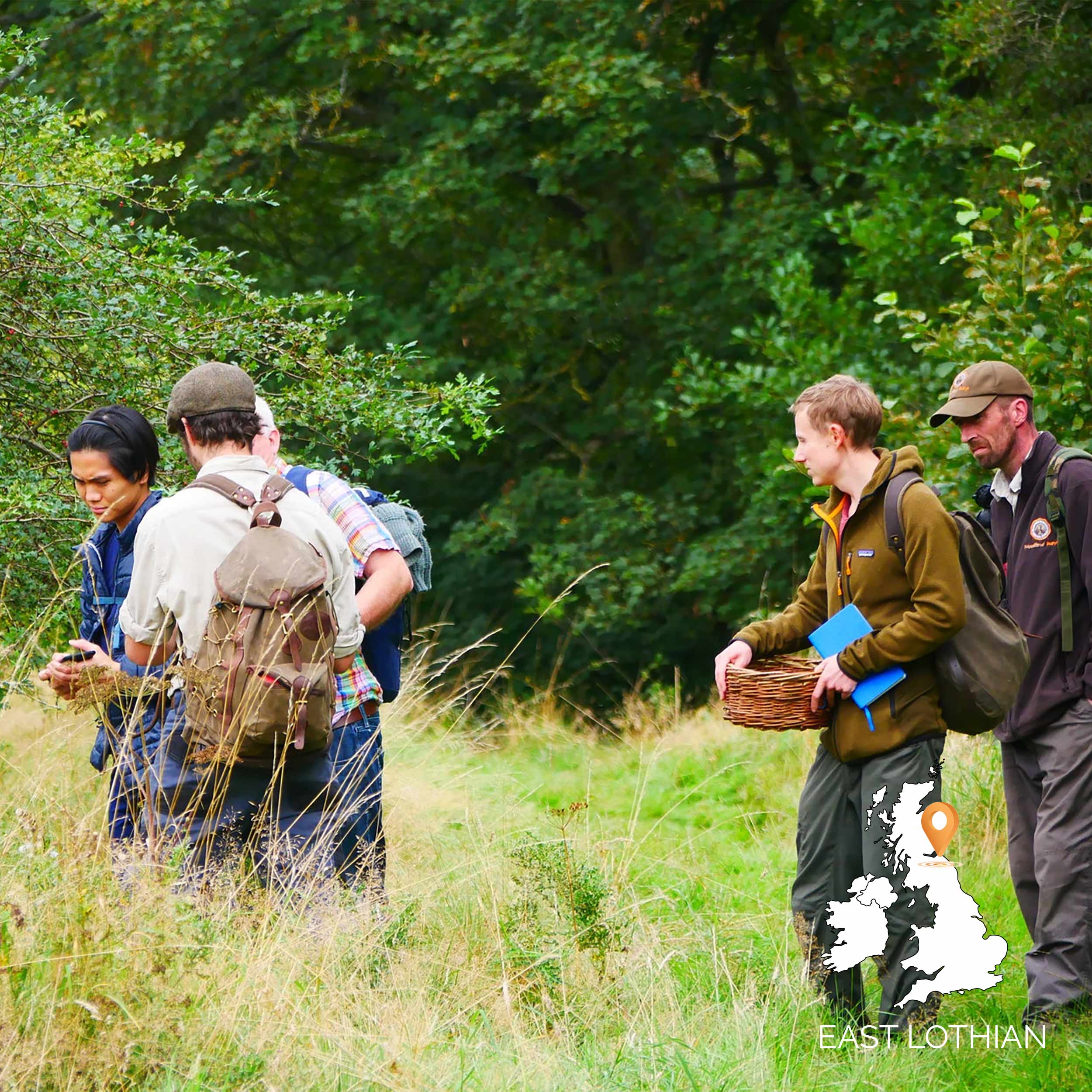
Spring is a time of emergence, energy, and renewal. On this carefully paced day, you will be guided through woodlands and natural spaces where the year’s first shoots, leaves, and flowers offer exceptional nutritional and practical value. The course is designed to sharpen observation, deepen awareness, and build genuine confidence in recognising and responsibly using wild plants.
Instruction draws on extensive professional experience and lived practice, exploring each plant as a complete resource. Edibility, medicinal value, seasonal timing, historical use, and modern application are all considered. Where appropriate, instructors will share preparation techniques, processing methods, and refined recipe ideas—bridging traditional knowledge with contemporary relevance.
The experience is intentionally unhurried, allowing time for thoughtful discussion, note‑taking, photography, and questions. The aim is to foster understanding rather than memorisation, so that learning endures long after the day concludes.
The Woodland Ways Spring Foraging Course is an immersive exploration of the edible, medicinal, and practical plants that flourish across the British landscape during the most abundant season of the year. Delivered by highly qualified instructors with deep and varied knowledge, this course offers far more than plant identification—it provides a cultivated understanding of how humans have interacted with the land for generations.
Spring is a time of emergence, energy, and renewal. On this carefully paced day, you will be guided through woodlands and natural spaces where the year’s first shoots, leaves, and flowers offer exceptional nutritional and practical value. The course is designed to sharpen observation, deepen awareness, and build genuine confidence in recognising and responsibly using wild plants.
Instruction draws on extensive professional experience and lived practice, exploring each plant as a complete resource. Edibility, medicinal value, seasonal timing, historical use, and modern application are all considered. Where appropriate, instructors will share preparation techniques, processing methods, and refined recipe ideas—bridging traditional knowledge with contemporary relevance.
The experience is intentionally unhurried, allowing time for thoughtful discussion, note‑taking, photography, and questions. The aim is to foster understanding rather than memorisation, so that learning endures long after the day concludes.
Original: $152.00
-70%$152.00
$45.60Description
The Woodland Ways Spring Foraging Course is an immersive exploration of the edible, medicinal, and practical plants that flourish across the British landscape during the most abundant season of the year. Delivered by highly qualified instructors with deep and varied knowledge, this course offers far more than plant identification—it provides a cultivated understanding of how humans have interacted with the land for generations.
Spring is a time of emergence, energy, and renewal. On this carefully paced day, you will be guided through woodlands and natural spaces where the year’s first shoots, leaves, and flowers offer exceptional nutritional and practical value. The course is designed to sharpen observation, deepen awareness, and build genuine confidence in recognising and responsibly using wild plants.
Instruction draws on extensive professional experience and lived practice, exploring each plant as a complete resource. Edibility, medicinal value, seasonal timing, historical use, and modern application are all considered. Where appropriate, instructors will share preparation techniques, processing methods, and refined recipe ideas—bridging traditional knowledge with contemporary relevance.
The experience is intentionally unhurried, allowing time for thoughtful discussion, note‑taking, photography, and questions. The aim is to foster understanding rather than memorisation, so that learning endures long after the day concludes.